

Sanahin Bridge
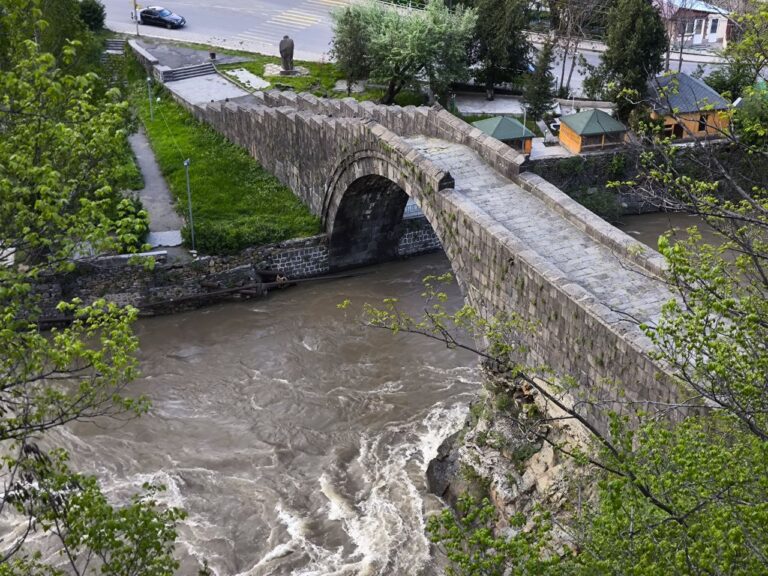
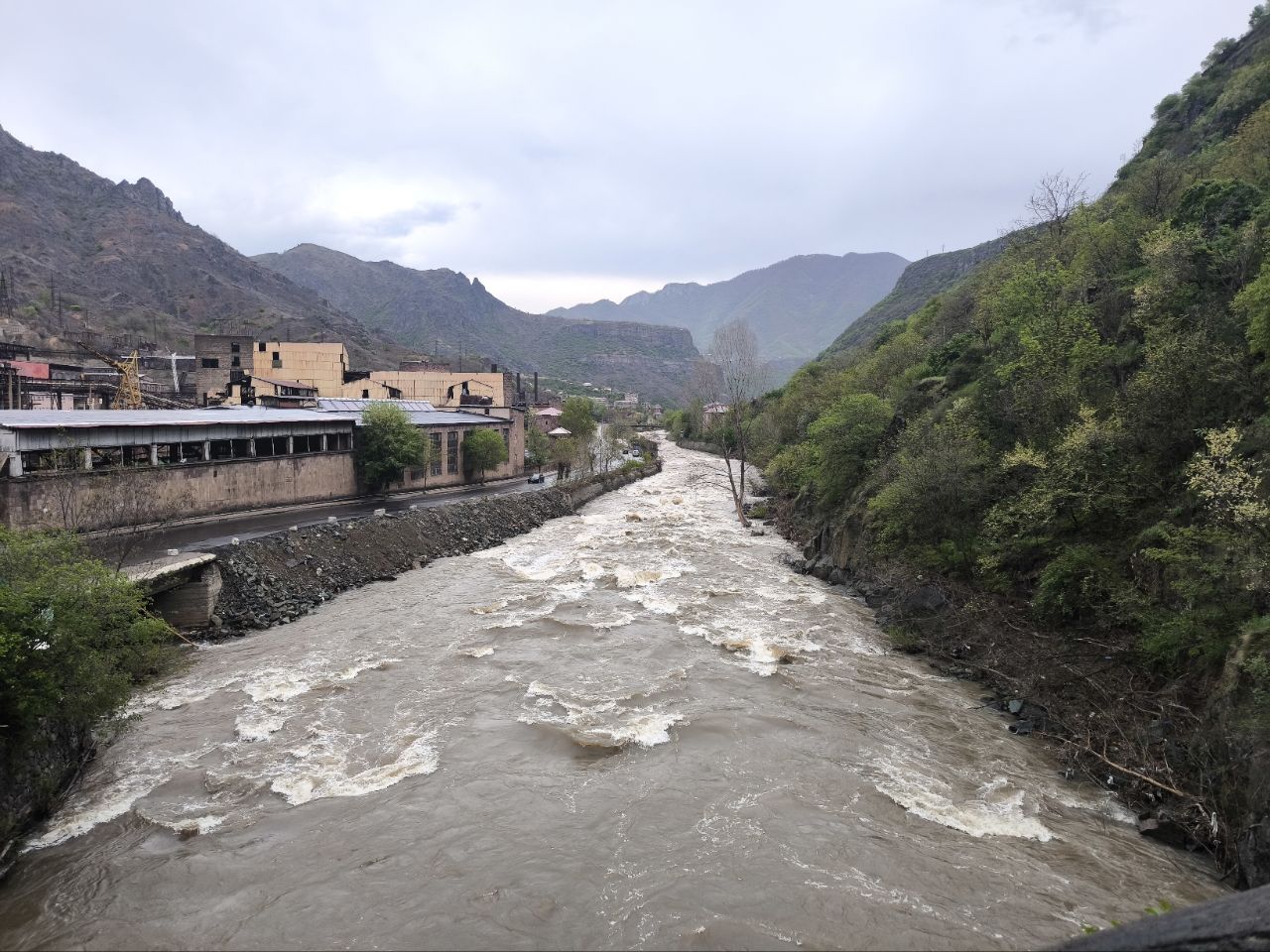
The Sanahin Bridge is a fascinating example of medieval Armenian architecture, symbolizing the love and loyalty of an Armenian woman to her husband. For over 800 years, the bridge has connected the two banks of the Debed River. It is located in the town of Alaverdi, in the Lori region of Armenia. Together with the Sanahin Monastery, it is included in the UNESCO World Heritage List. The bridge is 9 km away from Haghpat Monastery and 7 km from Sanahin Monastery by car.
Historical Background
In the second half of the 10th century, the Tashir-Dzoraget or Lori Armenian Kingdom was founded in the current territory of the Lori region and adjacent areas by the Kyurikian dynasty, a branch of the Bagratunis. It reached the peak of its power under King David I Anhoghin in the first half of the 11th century. Later, the kingdom began to decline, losing part of its territories. Under these difficult conditions, the 12-year-old son of Kyurike III, Abas II, ascended the throne. While retaining the title of king, he became the Prince of Matsnaberd, remaining under the guardianship of his sister, Bavrina, until he reached adulthood.
In 1190, the young Abas II married Vaneni, the sister of Armenian princes Zakare and Ivane Zakaryan. It seemed that with this marriage, the Kyurikian Kingdom of Lori would regain its strength. However, fate decided otherwise. In 1192, 19-year-old Abas passed away. This is where the story of the Sanahin Bridge begins.
The young Queen Vaneni, embodying the image of a loving and faithful Armenian wife, decided to immortalize him. Having been married for only two years, in memory of her husband, the queen built one of the most unique structures of Medieval Armenia across the Debed River: the Sanahin Bridge.
Architectural Description
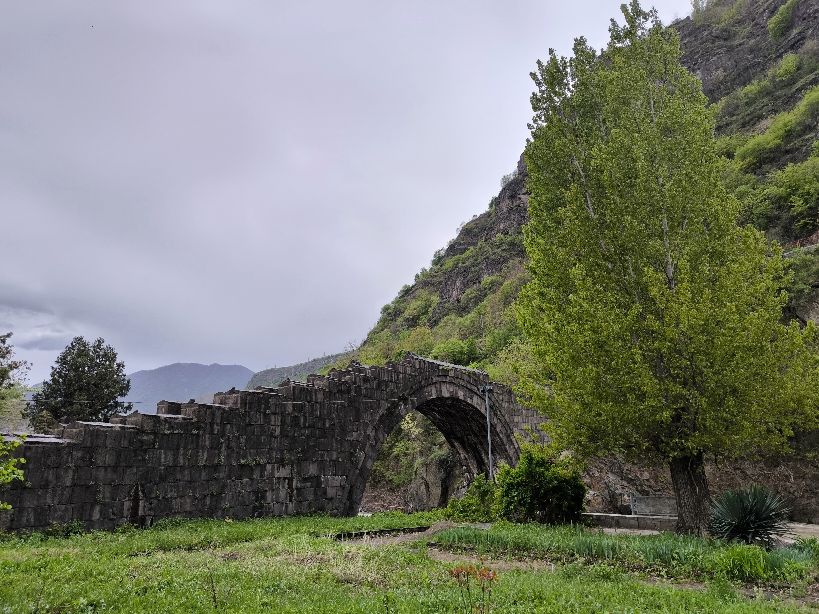
This monument is a brilliant example of engineering thought, which for eight centuries has withstood the flooding waters of the Debed River, earthquakes, and enemy attacks.
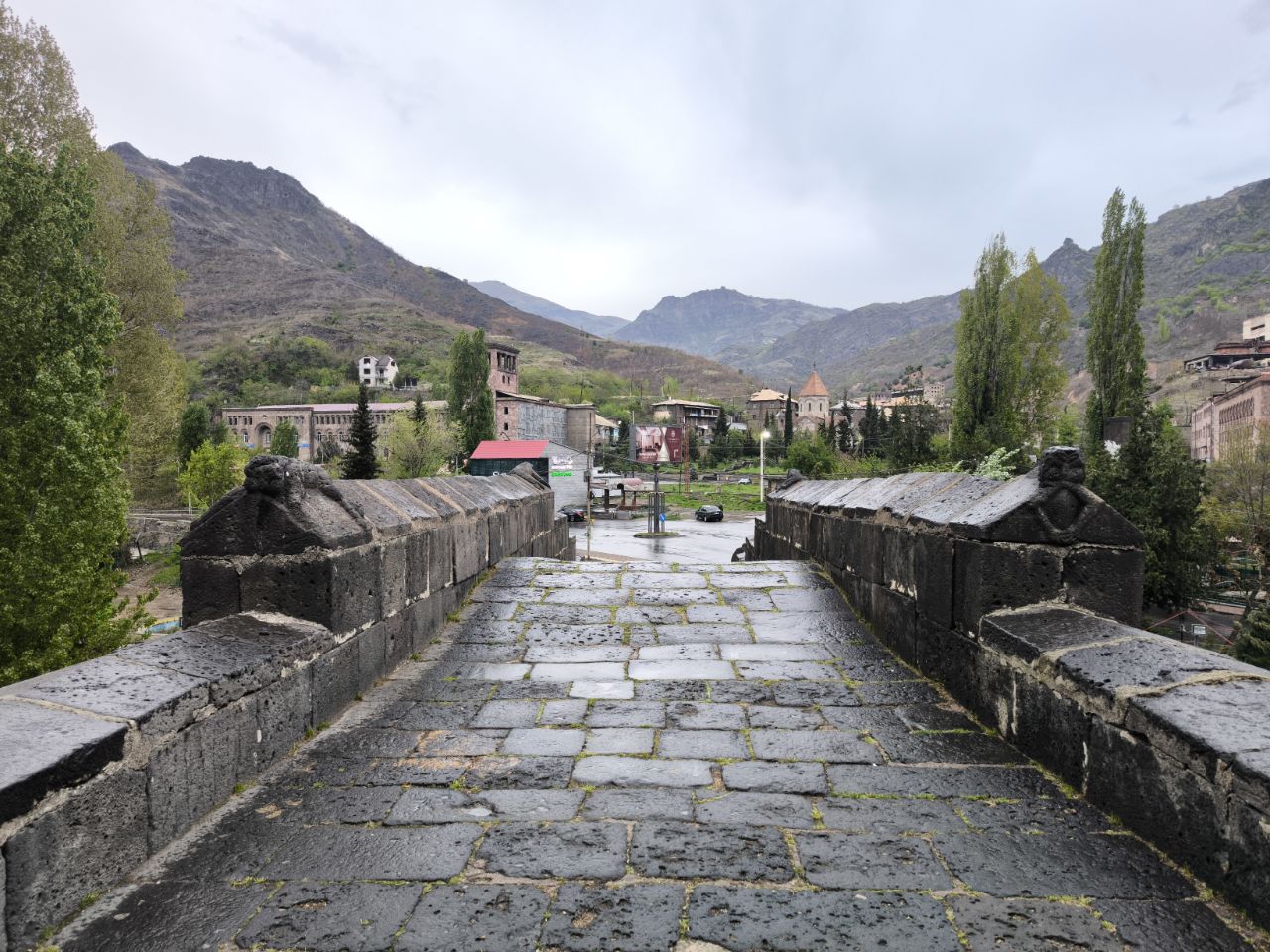
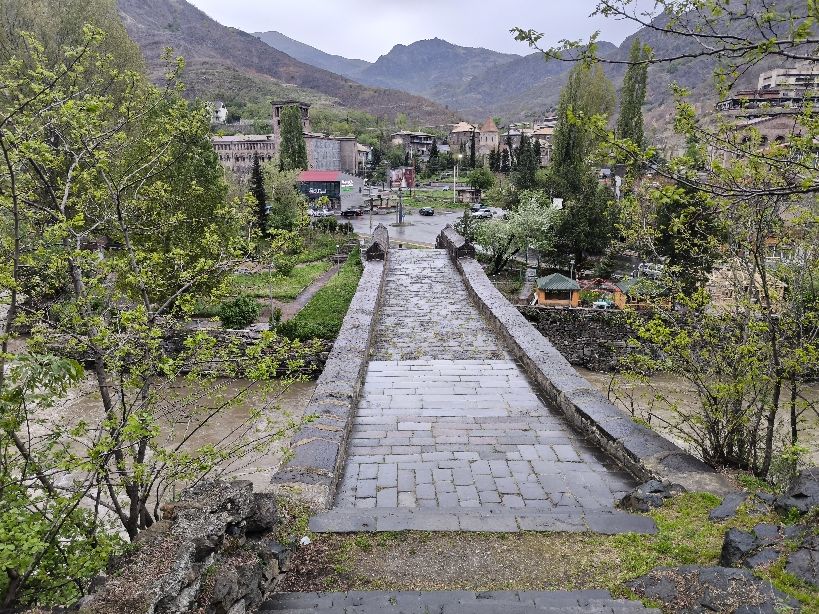
In the construction art of the Sanahin Bridge, a refined taste for artistic expression is demonstrated alongside brilliant engineering knowledge. It is in harmony with the Debed Canyon and seems to merge with the coastal cliffs.
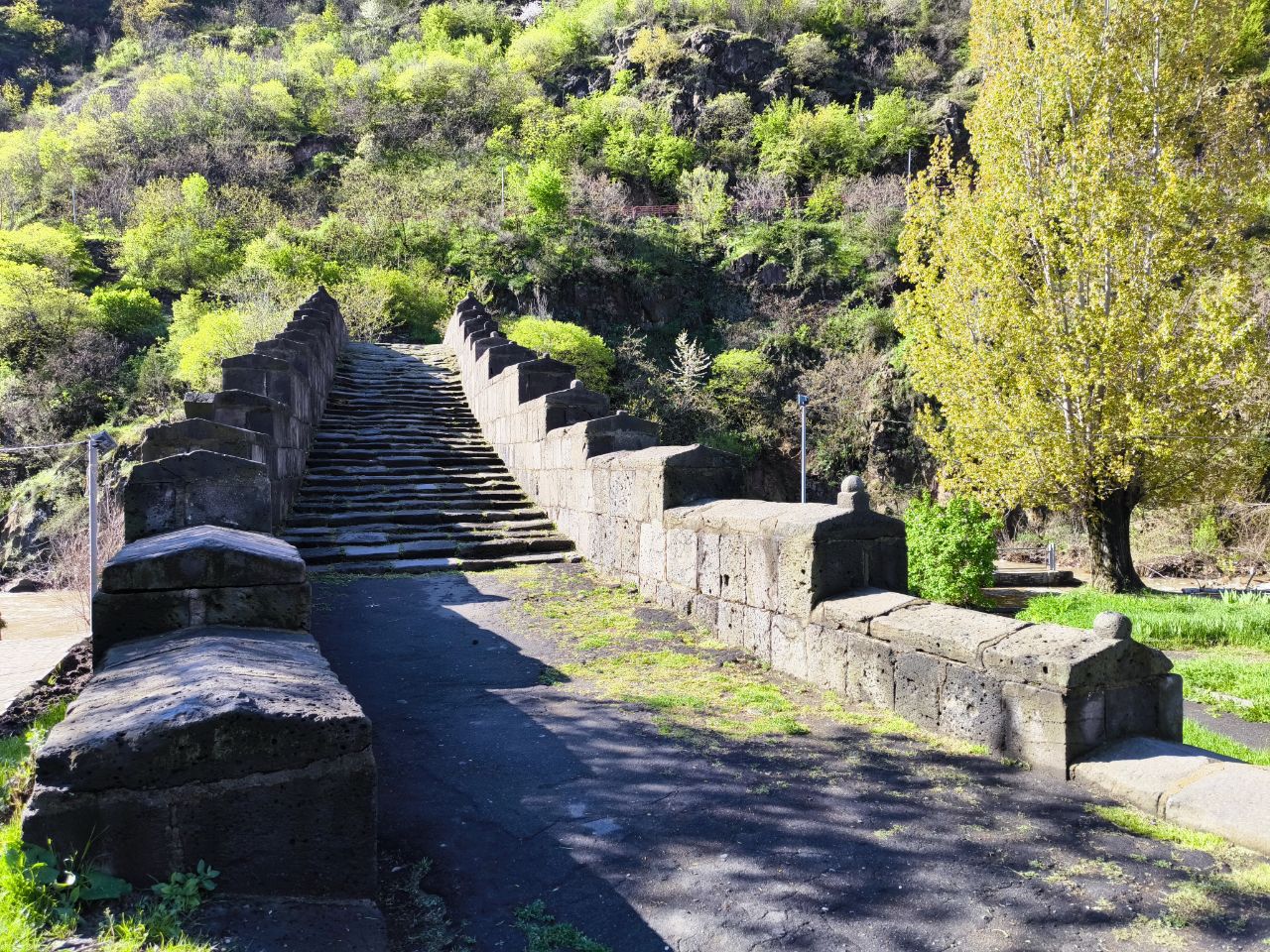
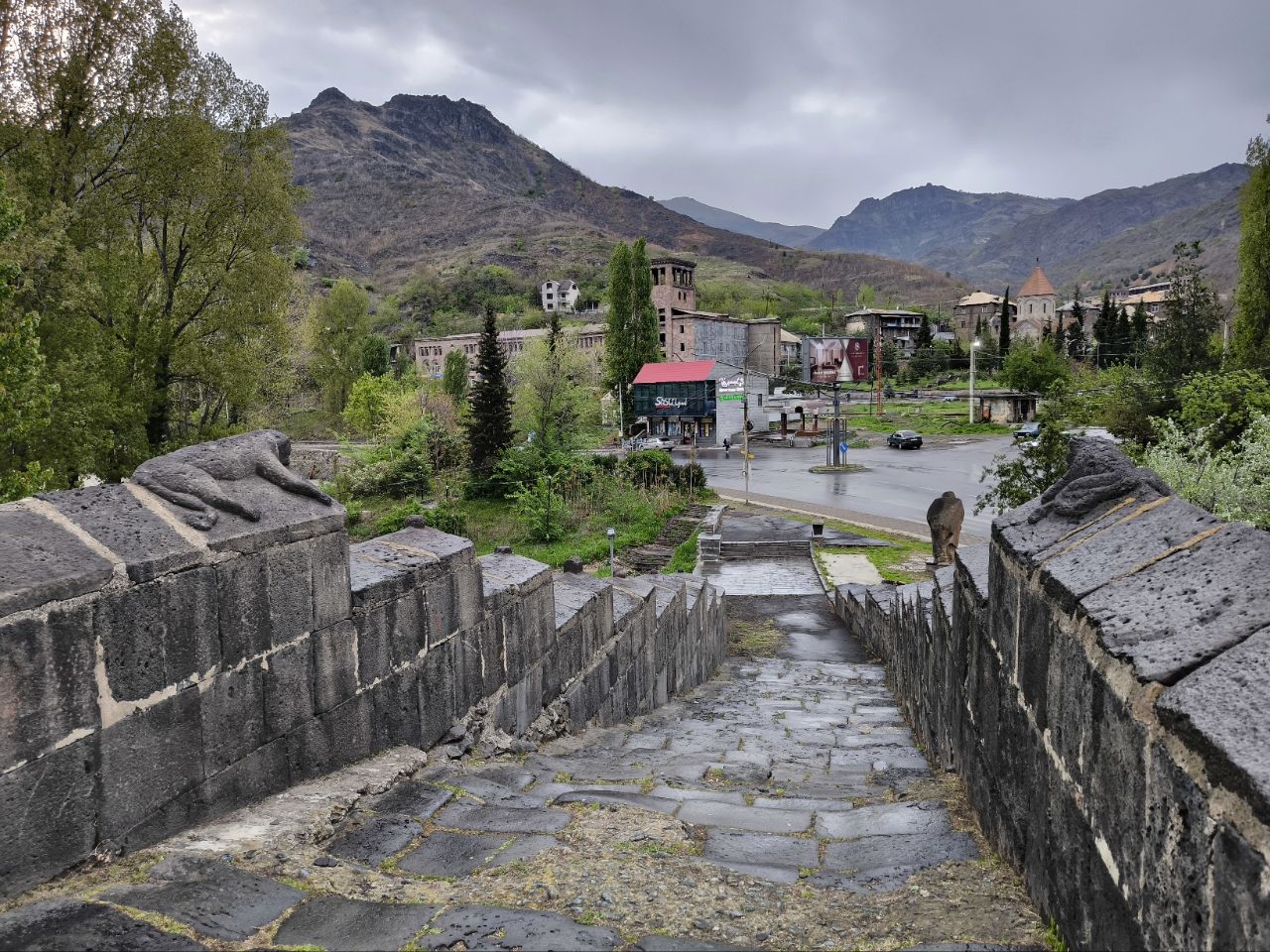
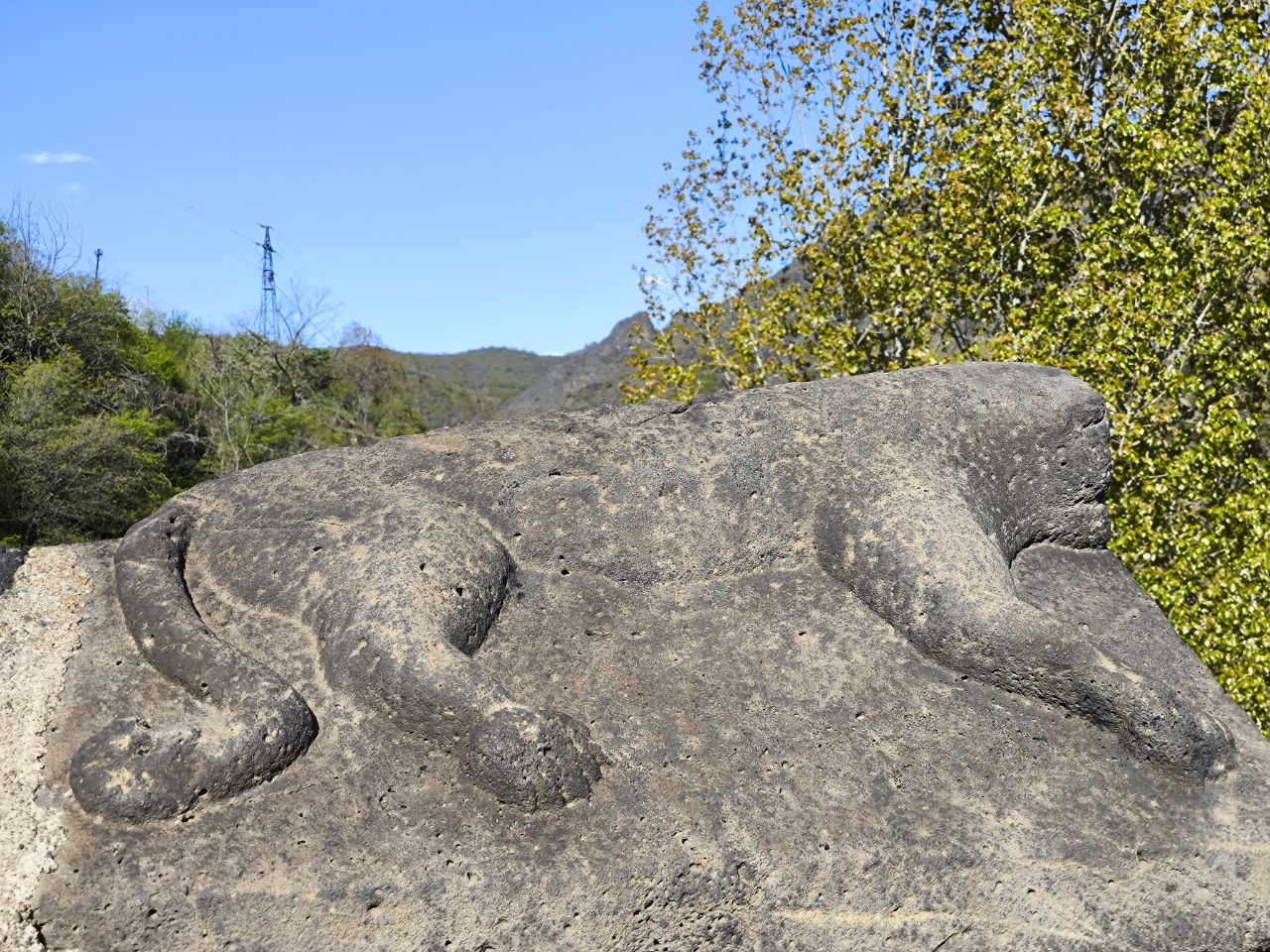
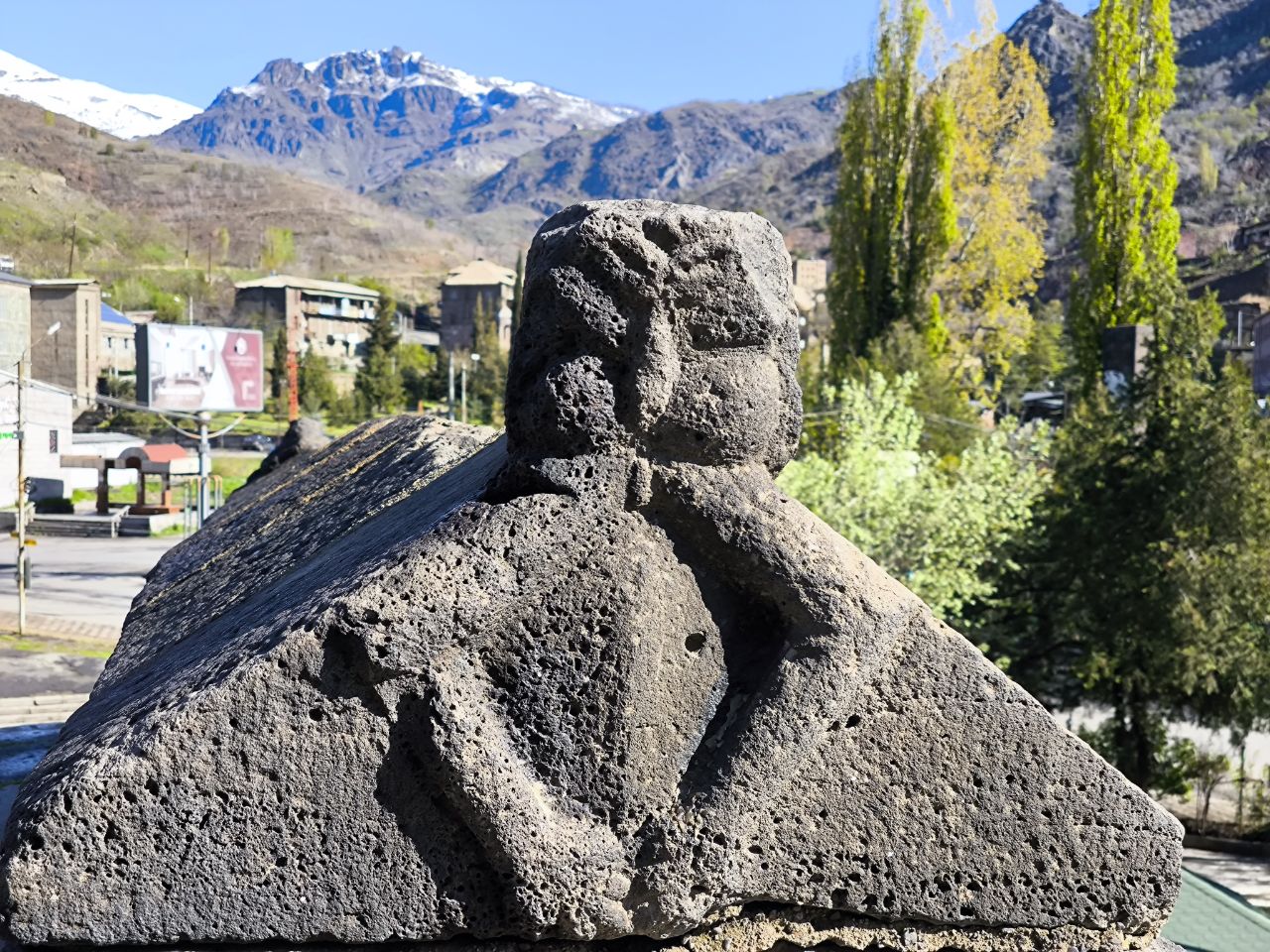
The left bank is significantly lower than the right one. The passage from the lower bank to the other is through steps. The part above the arch is horizontal. On both sides, there are stepped ornamental parapets. Four sections of the railings are decorated with high reliefs of lions. They are symbols of the Kyurikian kings. The lions lie on the cornerstones in different poses.
The bridge, built with polished basalt stones, is single-span. The semi-circular opening is 18.6 meters. The total length is 60 meters, and the width of the middle part is 3.3 meters. It is the fourth longest preserved medieval bridge in the territory of the Republic of Armenia, after the bridges of Yerevan, Ashtarak, and Oshakan.
Restorations
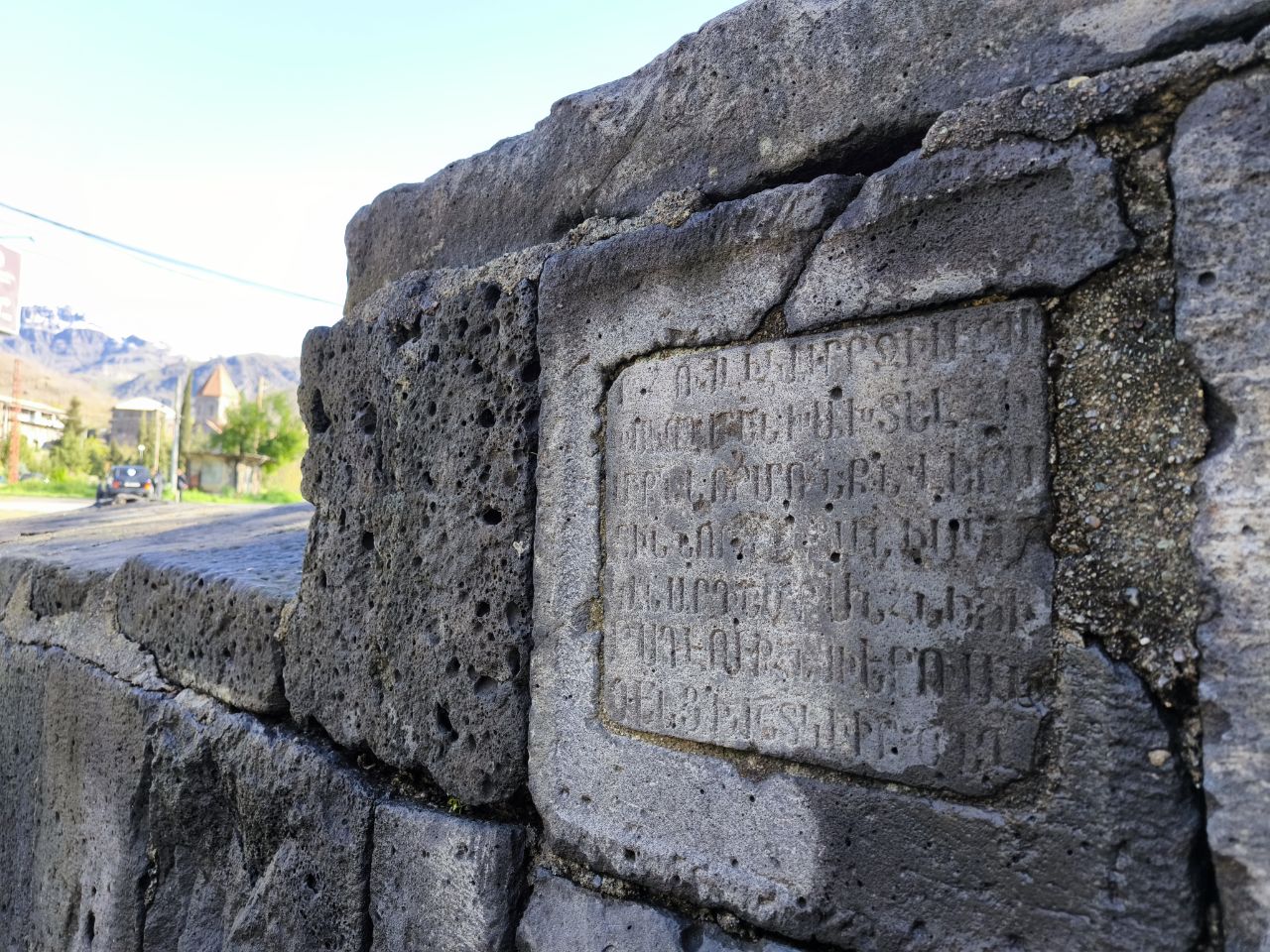
It has been restored several times. In 1888, through a priest of the Surb Norashen Armenian Apostolic Church in Tiflis, who was a native of Sanahin village, the foundations of the left wall were strengthened. An inscription about this exists on the stone on the left side of the bridge’s beginning. In 1928-1929, under the leadership of Yerevan architect Alexander Tamanyan, the foundations of the left-bank pier were partially strengthened.
Interesting Facts
The Bridge’s “Passport”
Few people know that for many centuries, a large khachkar (cross-stone) placed by Queen Vaneni also stood near the steps of the Sanahin Bridge. It is the “passport” of the bridge’s construction.
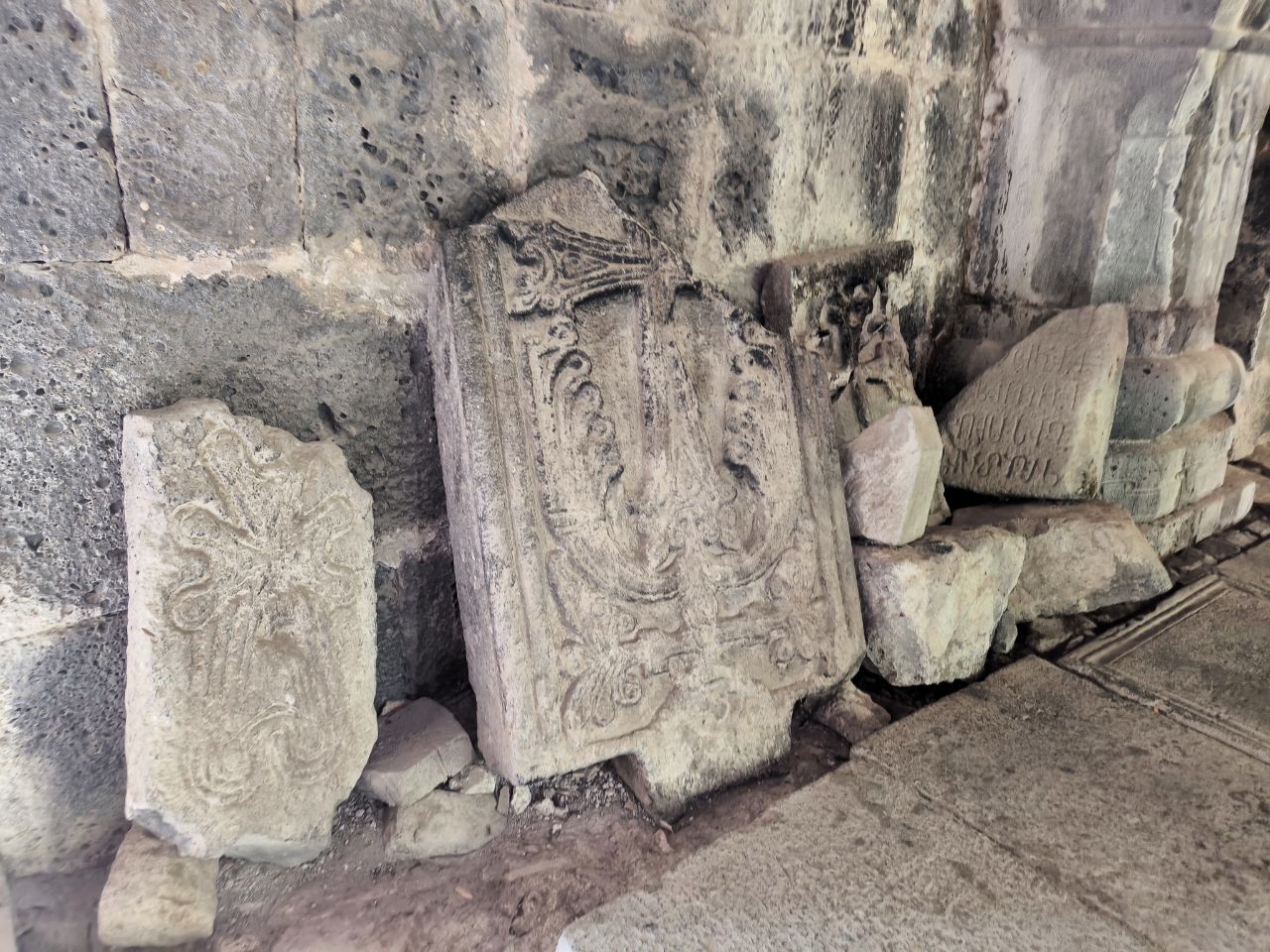
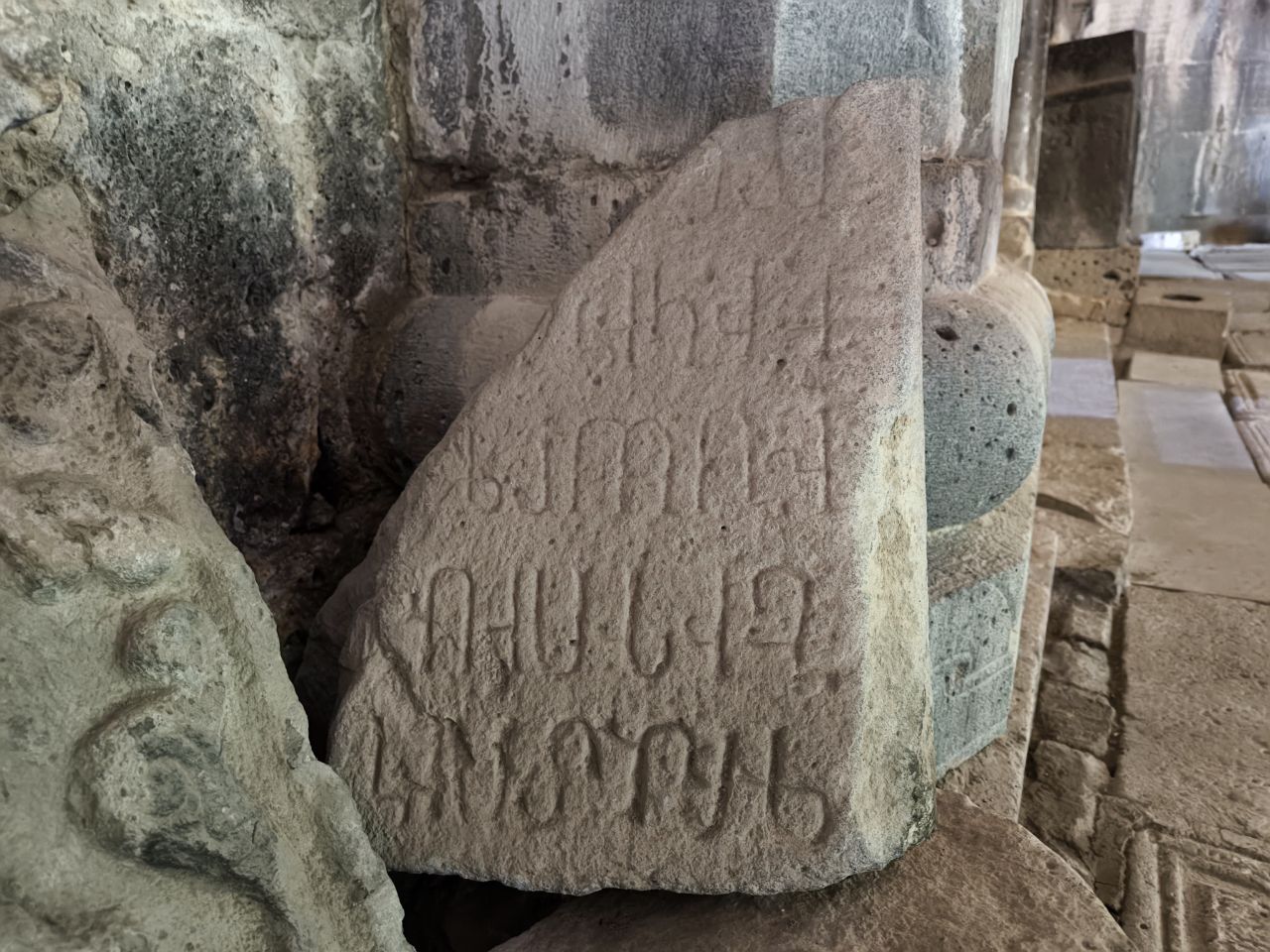
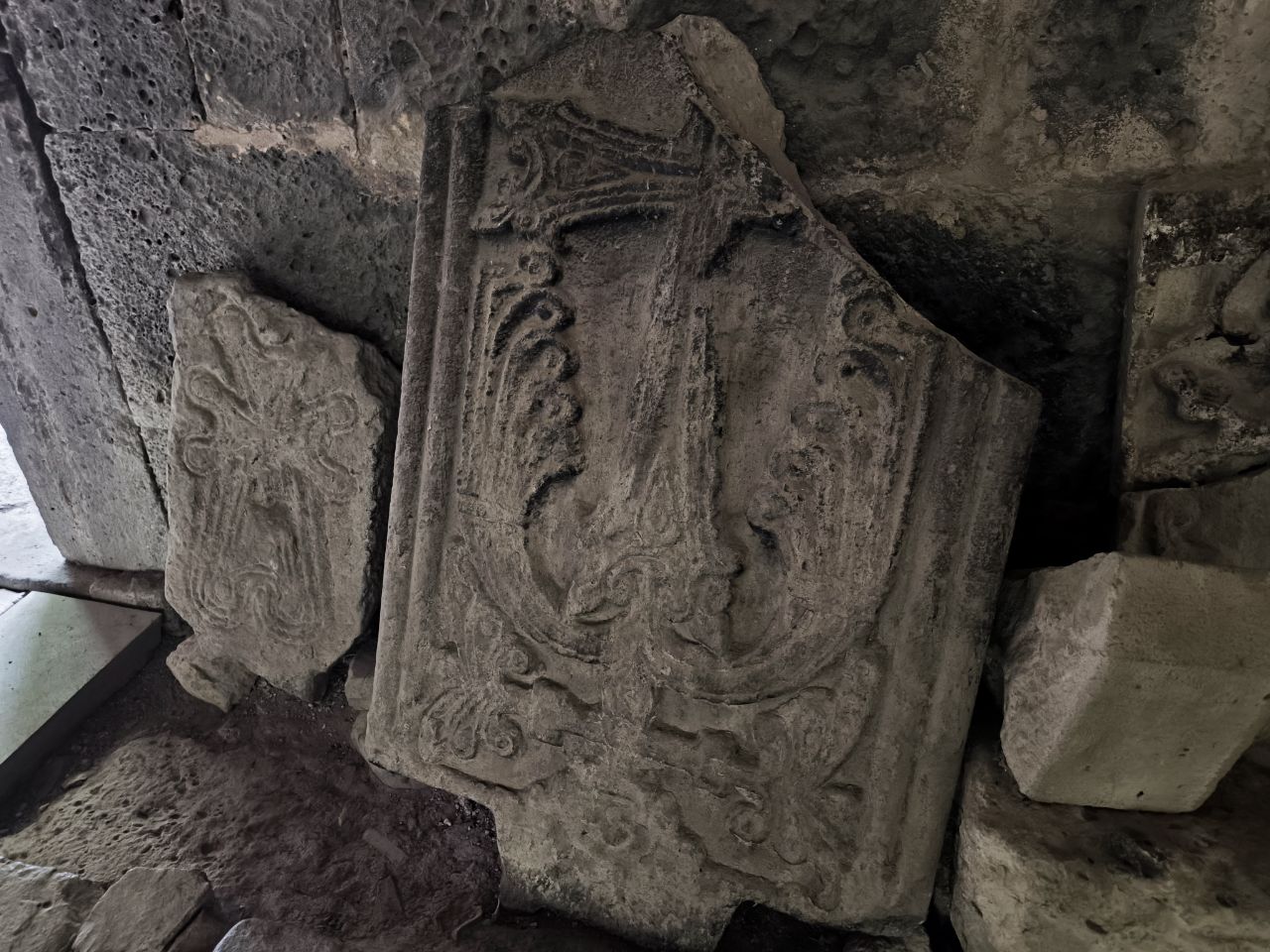
In 1795, the raiders of Agha Mohammad, the leader of the Turkish Qajar tribe living in Iran, attacked the Debed Canyon and, while destroying the settlement, also broke the khachkar placed by Queen Vaneni in front of the Sanahin bridge. The upper part of the monument was lost without a trace, taking with it the exact date of the bridge’s construction, while the preserved section was later moved to the gavit (narthex) of the Sanahin Monastery.
On the back of the khachkar, there is an Armenian inscription by Vaneni, where the queen says: “I, Vaneni, daughter of the Prince of Princes Sargis, sister of Zakare, wife of King Abas, built this bridge and set up this cross in memory of my husband and parents.”
The Final Resting Place of the King and Queen
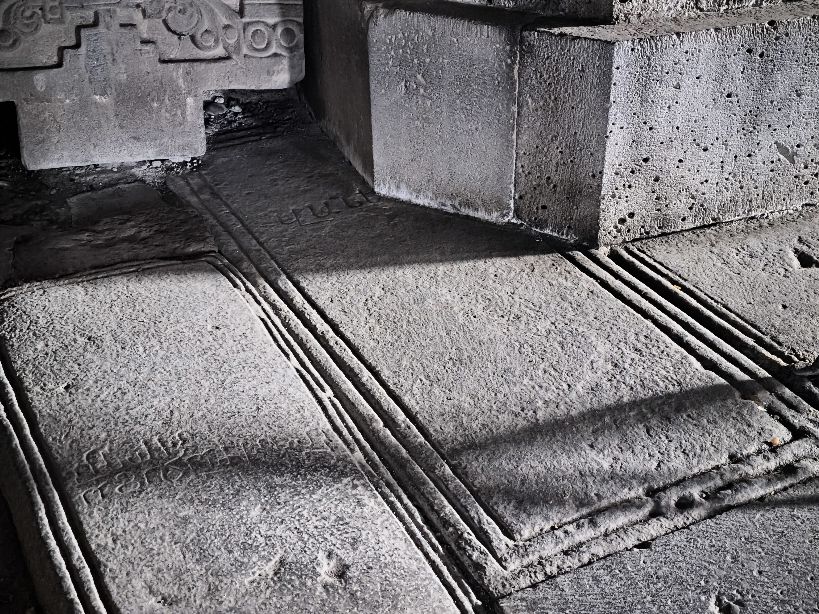
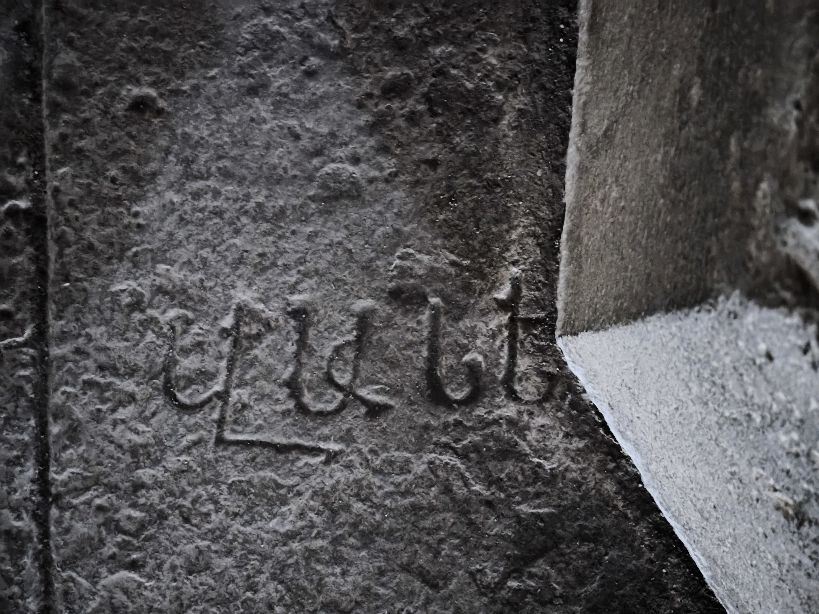
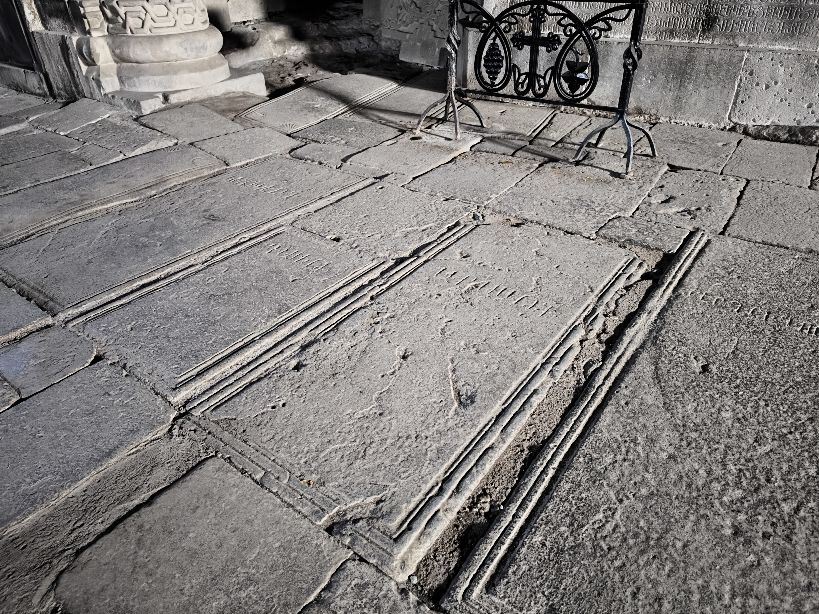
The graves of King Abas II and Queen Vaneni are located in the territory of the Haghpat Monastery. Their basalt tombstones can be seen inside the Great Gavit. On the king’s tombstone is written «ԱԲԱՍ ԹԳ» (“ABAS TG” (King)), and on the queen’s tombstone, «ՎԱՆԵՆԻ» (“VANENI”).