


Dsevank
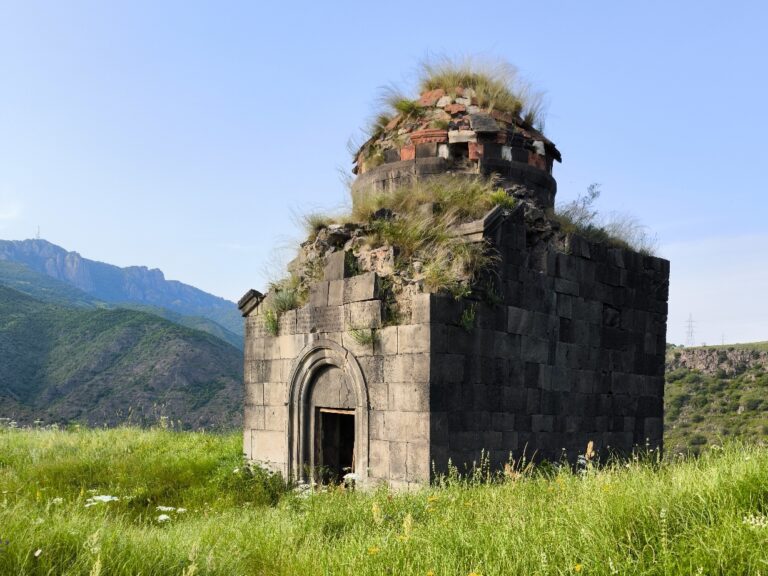
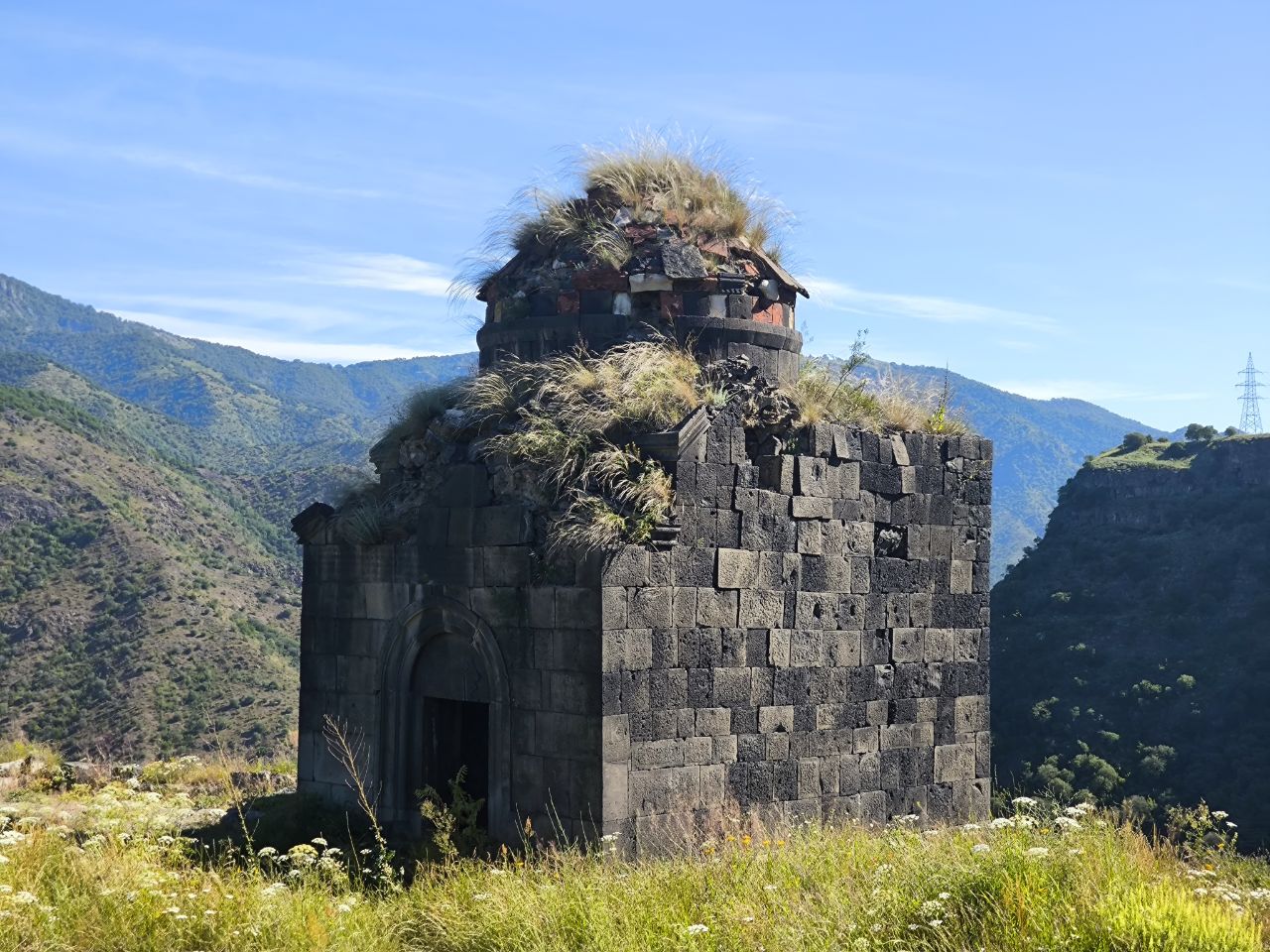
The Dsevank Church is situated on a high and inaccessible promontory in the Haghpat Canyon. It serves as the spiritual center and the most prominent structure of the Kayanberd Fortress. As a unique example of medieval Armenian architecture, it encapsulates both the spiritual and defensive history of the region.
Historical Overview
In the 13th century, the Haghpat monastic complex enjoyed great fame throughout Armenia. It housed relics, artifacts, and treasures of exceptional value to Christianity. To protect these assets from enemy attacks, it became necessary to build a fortress to oversee the monastery and its surroundings. This task was realized by the leader of Haghpat Monastery, Archbishop Hovhannes III Dopyants, under whose initiative Kayanberd Fortress was built in 1233. Interestingly, Hovhannes was the nephew of Prince Zakare Zakarian, the founder of the Zakarian principality. Despite the inscription, it should be noted that a fortress existed on this site prior to that date. It is likely that Hovhannes reconstructed or restored the old fortress and built the church, though 1233 is the accepted date of the fortress’s founding.
Since pre-Christian times, places of worship were built within Armenian fortresses. This tradition continued into the Christian era. While constructing Kayanberd, a church was simultaneously built inside, where the relic of the True Cross of Jesus Christ was kept for a certain period.
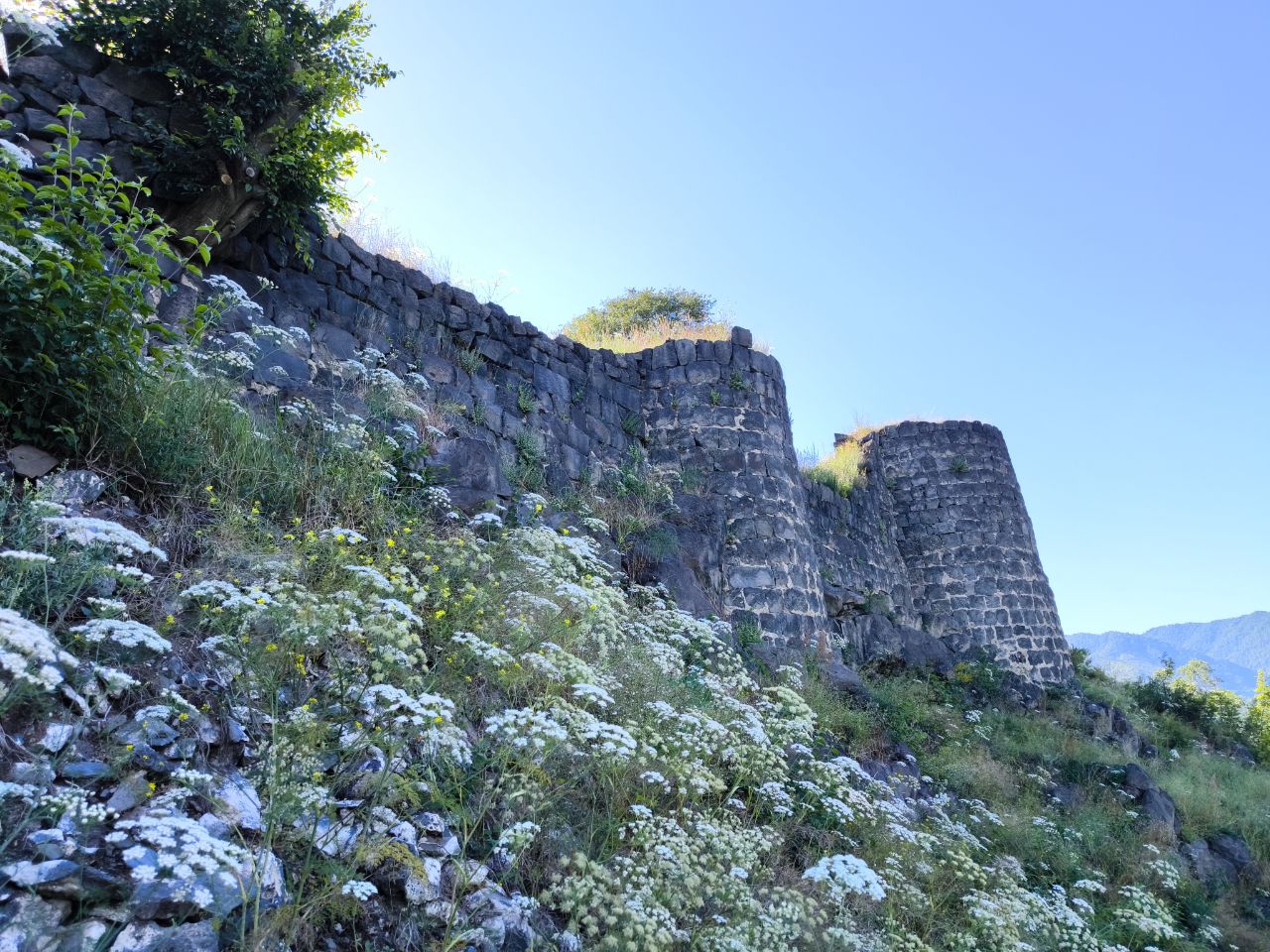
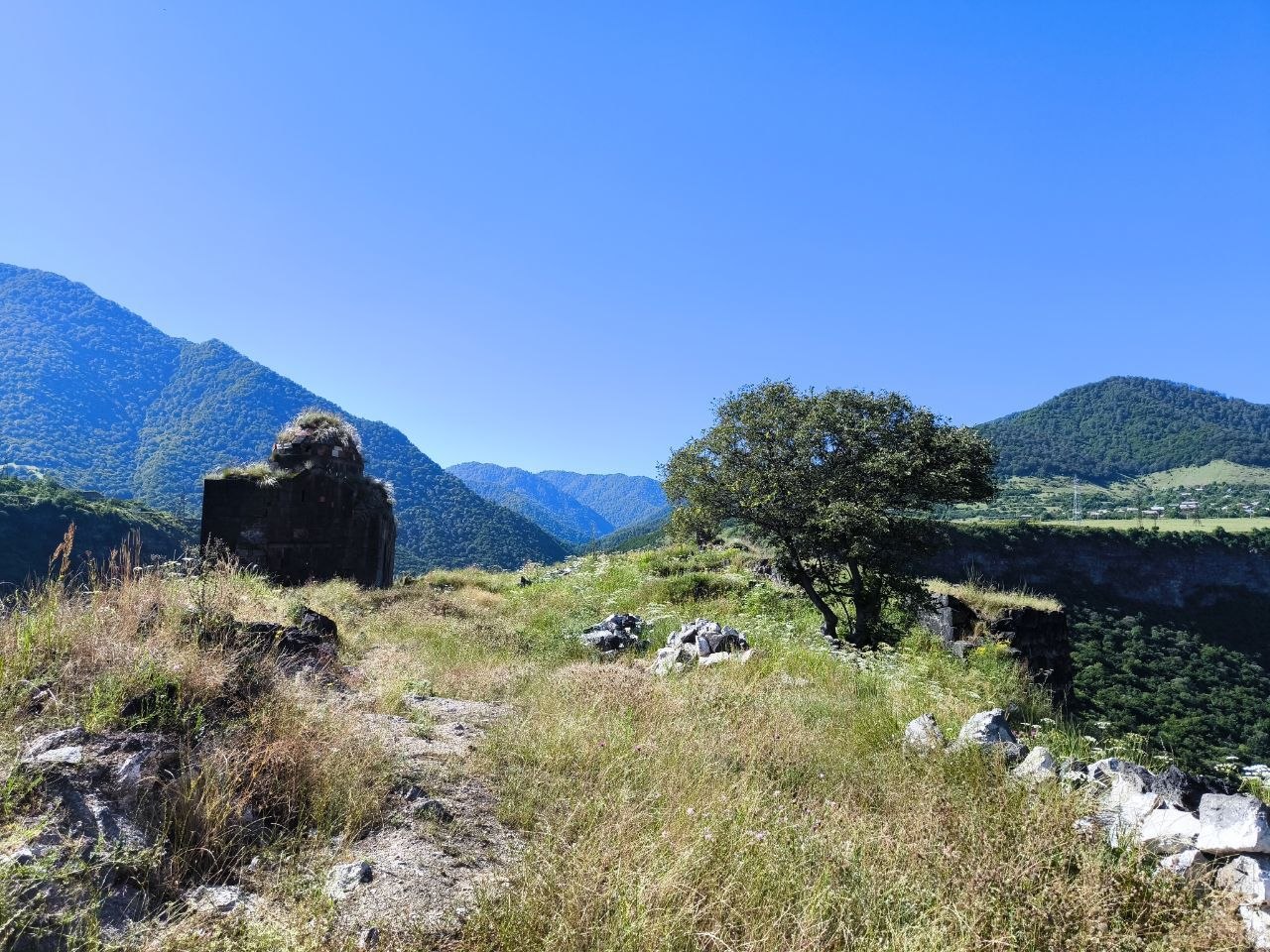
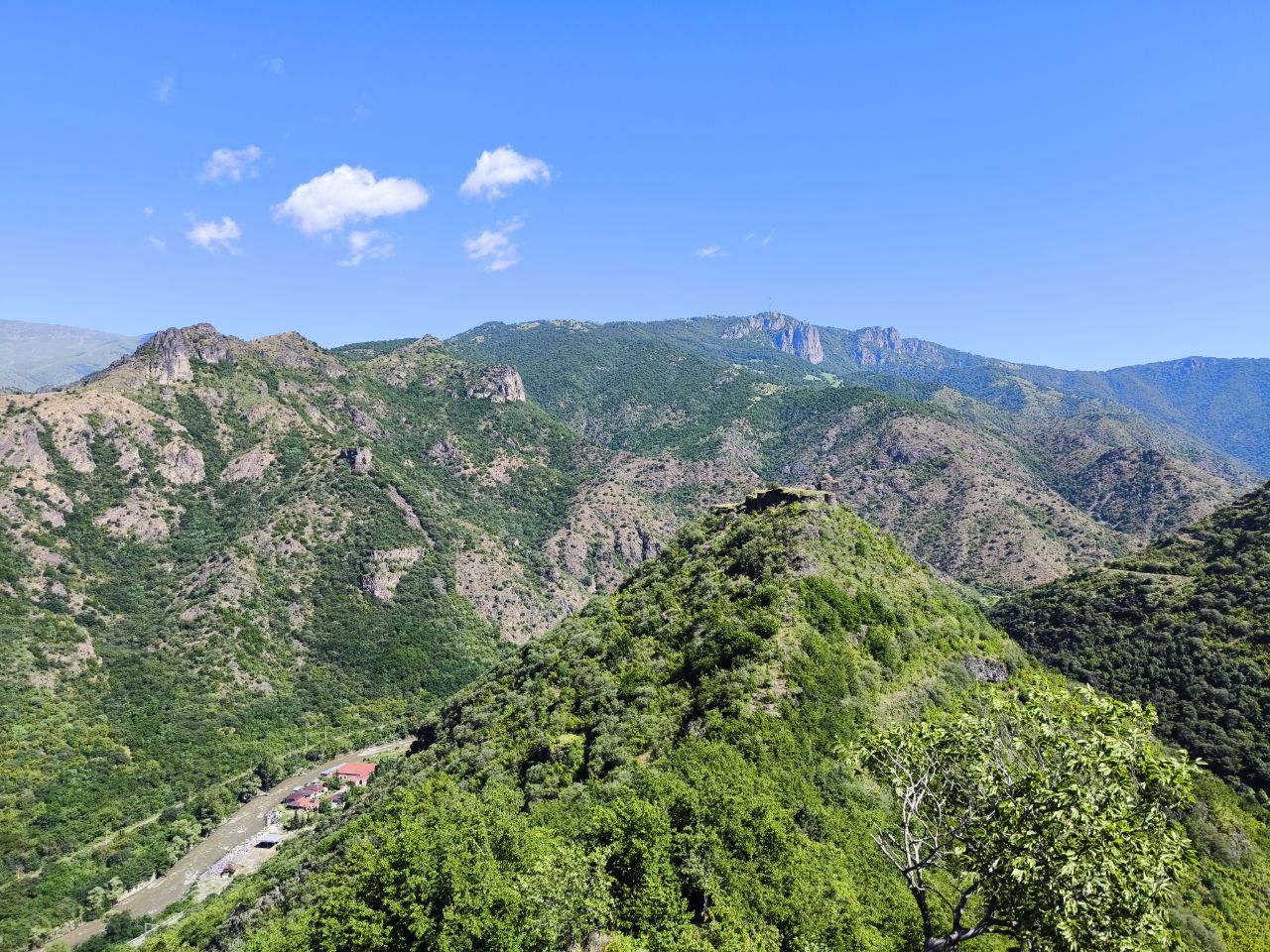
Originally, the church was named Surb Astvatsatsin (Holy Mother of God). In literature, the name Drsevank is also encountered. According to tradition, the name Dsevank emerged later and is linked to the fortress’s impregnability. When speaking of the fortress, people would say “tes yev ants” (look and pass), meaning the fortress is so inaccessible and difficult to conquer that one can only look at it and pass by. Over time, this expression evolved into the name of the church: Dsevank.
Dsevank withstood attacks from Mongols, Tatars, Lezgins, and other foreign invaders. Until the 1800s, it remained a site of pilgrimage for the residents of nearby settlements.
Kayanberd Fortress and Dsevank Church were partially damaged during the earthquake of 1827. A few years later, Margar Yerznkyan from Haghpat village reconstructed the destroyed dome of the church. For his labor, he was buried directly next to the church. His tombstone reads: “Here lies Margar Yerznkyants, deceased in the year 1835” («Այս է հանգիստ Մարգար Երզնկեանցի, վախճանյալ ի 1835 ամի»).
Architectural Description
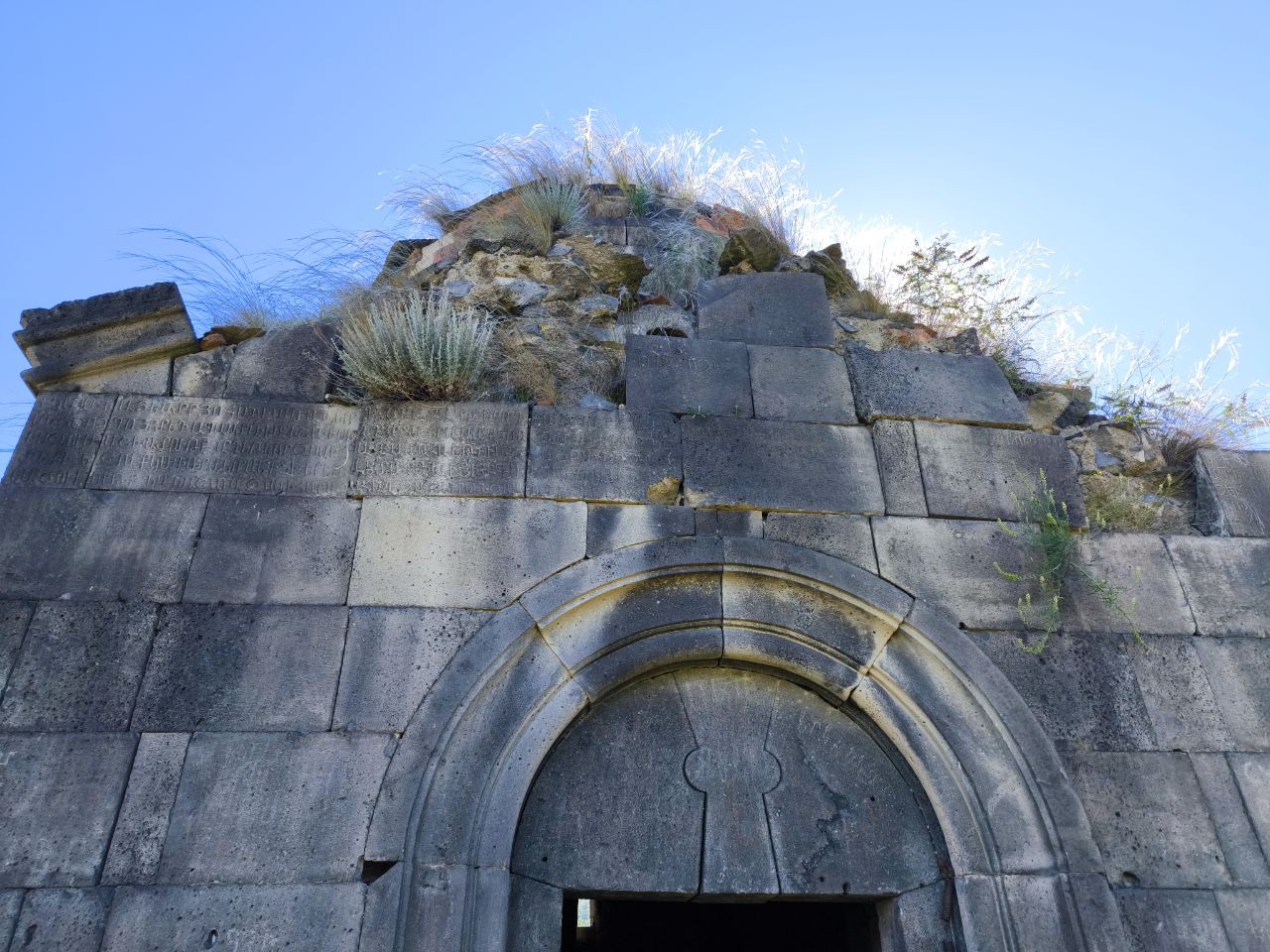
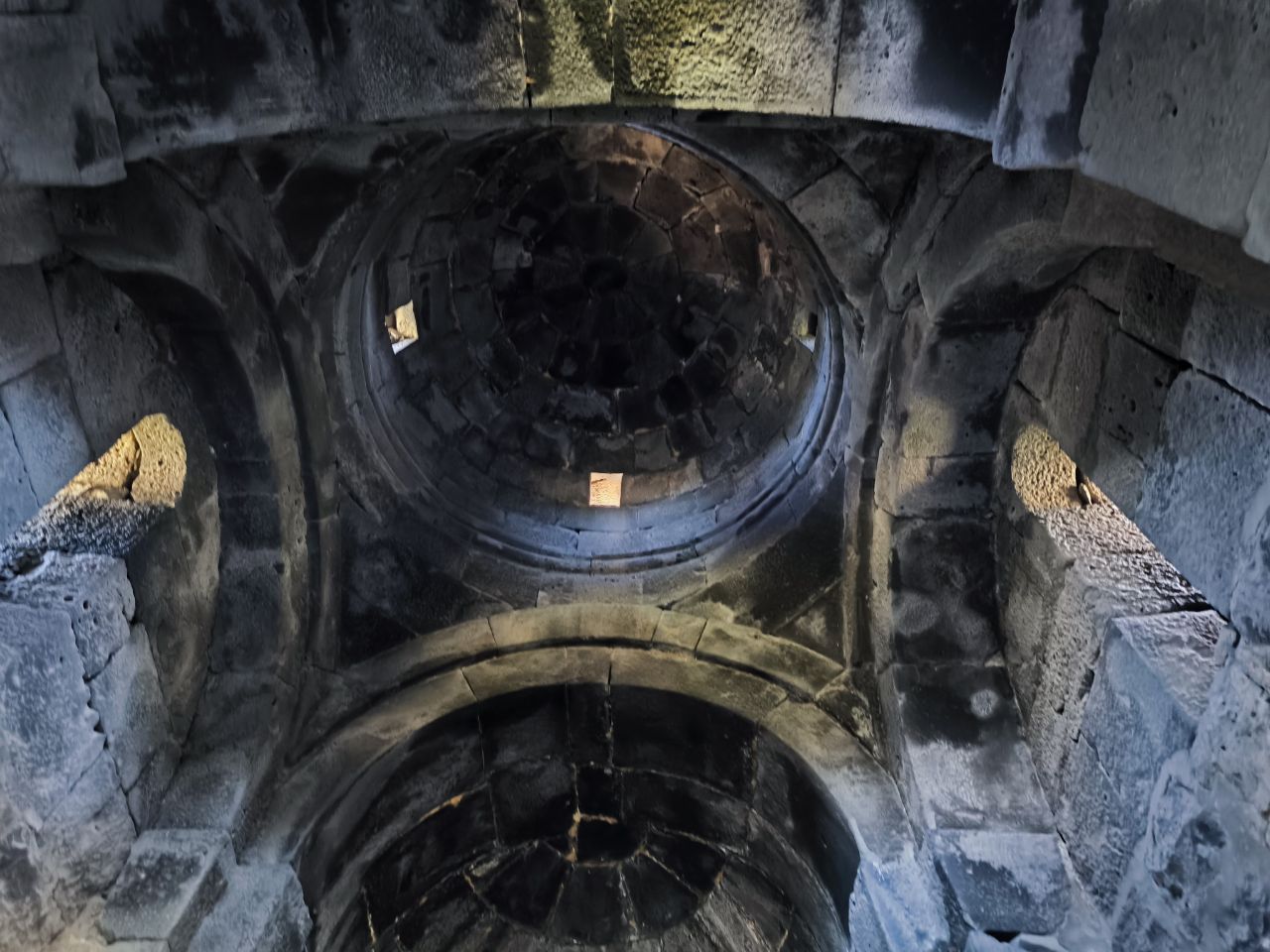
Surb Astvatsatsin Church (Dsevank) is located in the southern part of the fortress, directly upon the wall rising above the abyss. It is constructed of finely hewn basalt. From the outside, it is rectangular, while the interior features a cross-winged, domed design. The entrance is from the west, adorned with a modest frame. The lintel above the entrance consists of three separate stones, the middle of which has a cut resembling cross-wings. The dome is built of white and red felsite. The alternating colors are arranged in a checkered pattern, giving the dome a unique aesthetic appearance. The construction inscription of Dsevank and the fortress is located on the western wall of the church. The six-line Armenian inscription is as follows:
- 1.Ի թւ(ին հայոց) ՈՁԲ:
- 2.Կամաւն Ա(ստուծո)յ, ես՝ տ(է)ր Յոհանէս, առաջնորդ Հաղբատա, քուերորդի մեծ պատրոնացն Զաքարէի եւ Իւանէի, ի ժամանակի, որ եհաս սասանումն աշխարհիս մերոյ անաւրէն խորազմ
- 3.ենցն, ոչ գոյր տեղի ապաստանի ս(ուր)բ Նշանիս եւ եղբարցս: Հրամանաւ քեռոյն իմս Իւանէի եւ որդոյն իւրոյ Աւագին, եւ Շահնշահի՝ որդոյն Զաքարէի շինեցի զամրոցս եւ զեկեղեցիս Հաղբատա ս(ուր)բ Նշանիս
- 4.բազում աշխատութ(եամ)բ: Արդ, եթէ ոք զսա ի Հաղբատա հանէ, թե ի մեծաց, թե ի փոքունց զինչ եւ իցէ պատճառաւ, մարդն այն նզովե(ա)լ եղիցի ի մահ եւ ի կե(ա)նս, զինչ ի յԱդամա մինչեւ ի գալուս
- 5.տն Ք(րիստոս)ի նզովք կա՝ ի վերա նորա եղիցի, երերե(ա)լ եւ տատանե(ա)լ լիցի որպէս Կա(յ)են, եւ բաժին գՅուդաին առցէ, եւ աւանդիչ հոգո նորա սատանա լիցի: Եւ առաջնորդ որէն ի կամս իւրո կամ նախանձու,
- 6.կամ ծուլութ(եամ)բ, կամ կաշառաւ զսա ի Հաղբատա հանէ՝ զվերոգրե(ա)լ նզովսն առցե: Եւ որք հաստ(ատ)…ն աւրհնին յԱ(ստուծո)յ: Եւ պարտին ինձ տ(է)ր Յոհանիսի, զԱ(ստուա)ծածնին տաւնի Գ աւրն ի սմա զպատարագն ինձ:
The inscription presents the founding date, the name of the founder, and the purpose of the structure. It also states that if anyone removes the fortress from the Haghpat Monastery, they shall be cursed. Note: “Cain” (Կաեն) in the text refers to the biblical character who killed his brother, and is not to be confused with the name “Kayan”.
The Reliquary of the True Cross
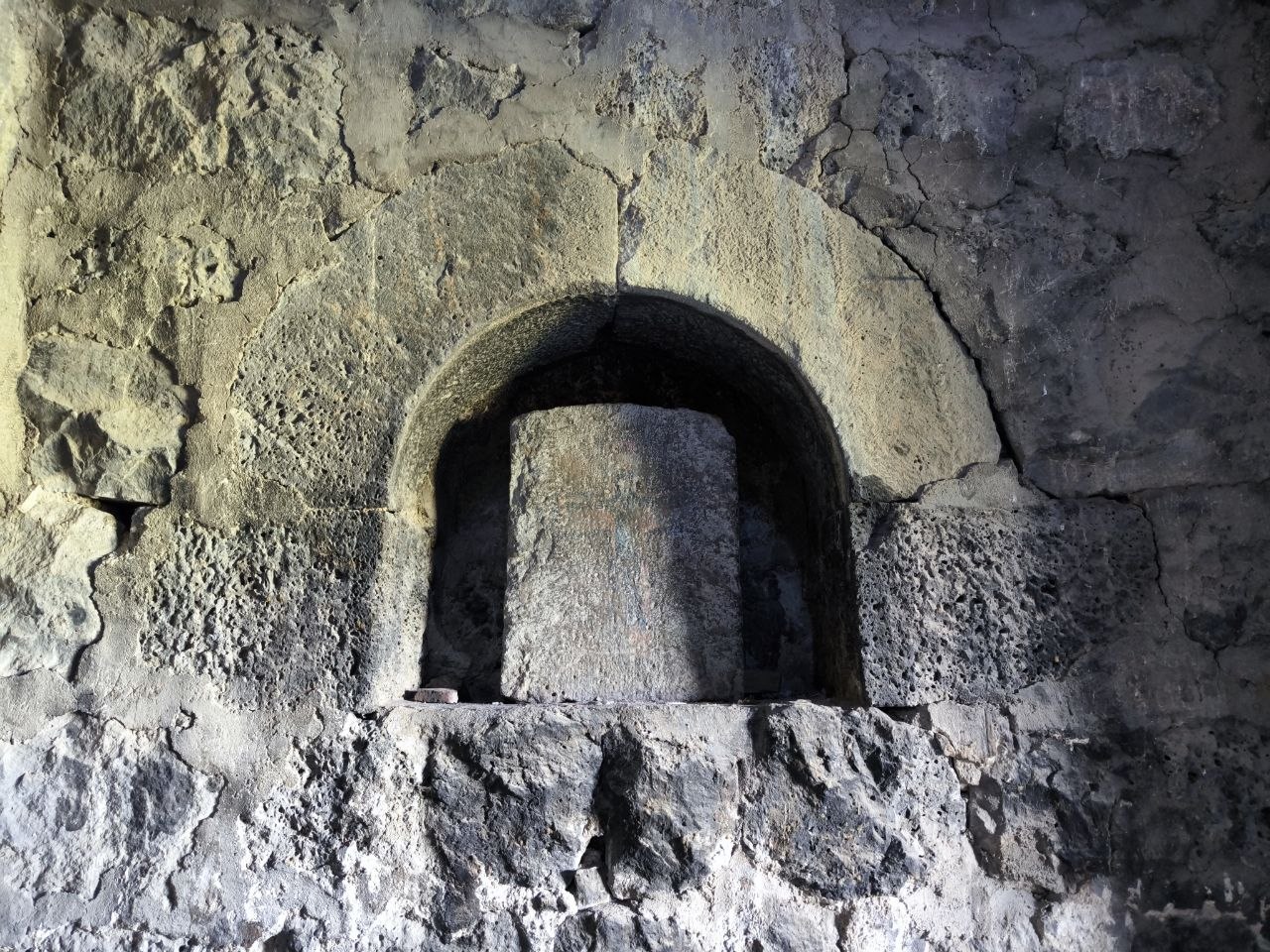
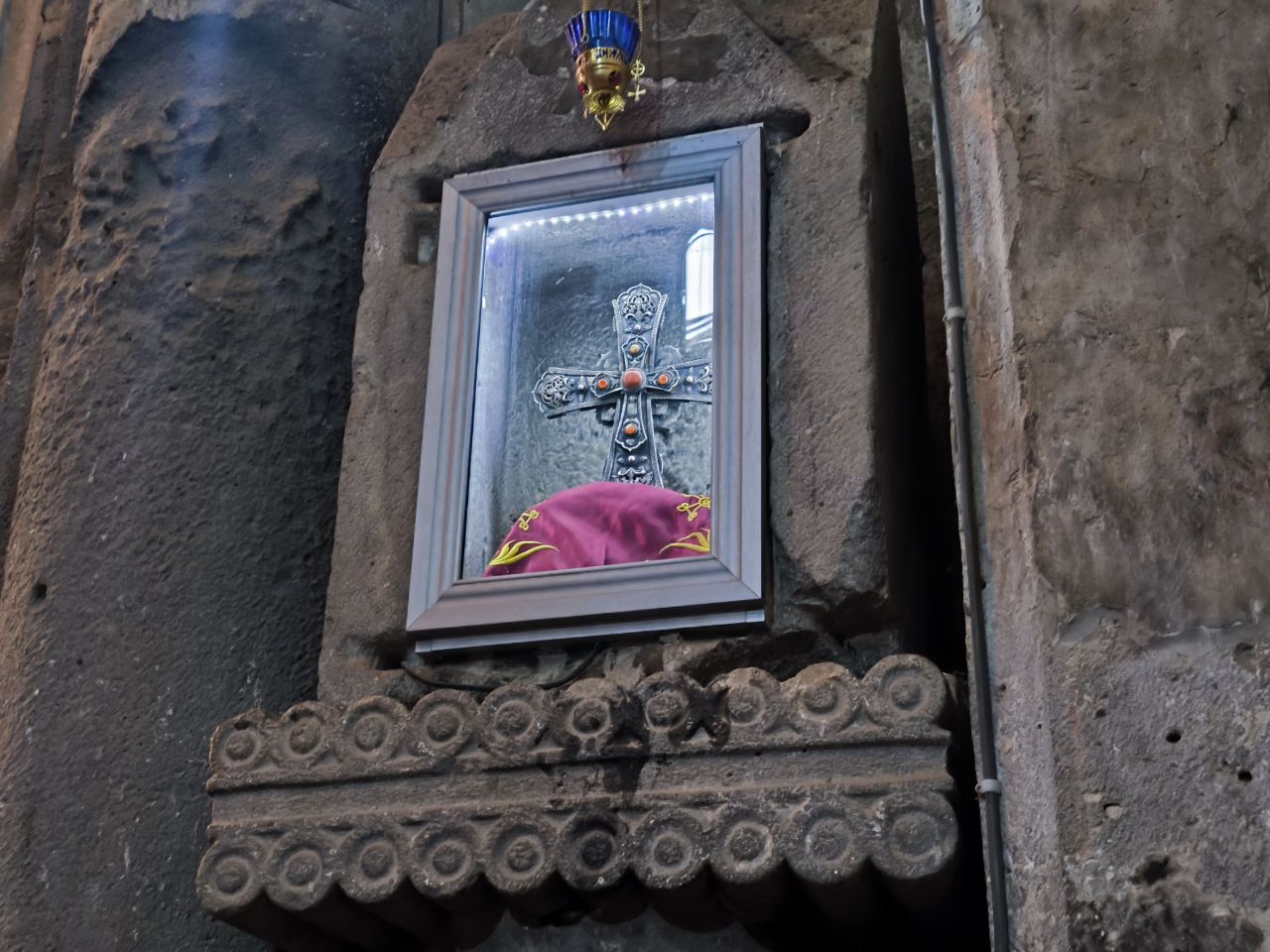
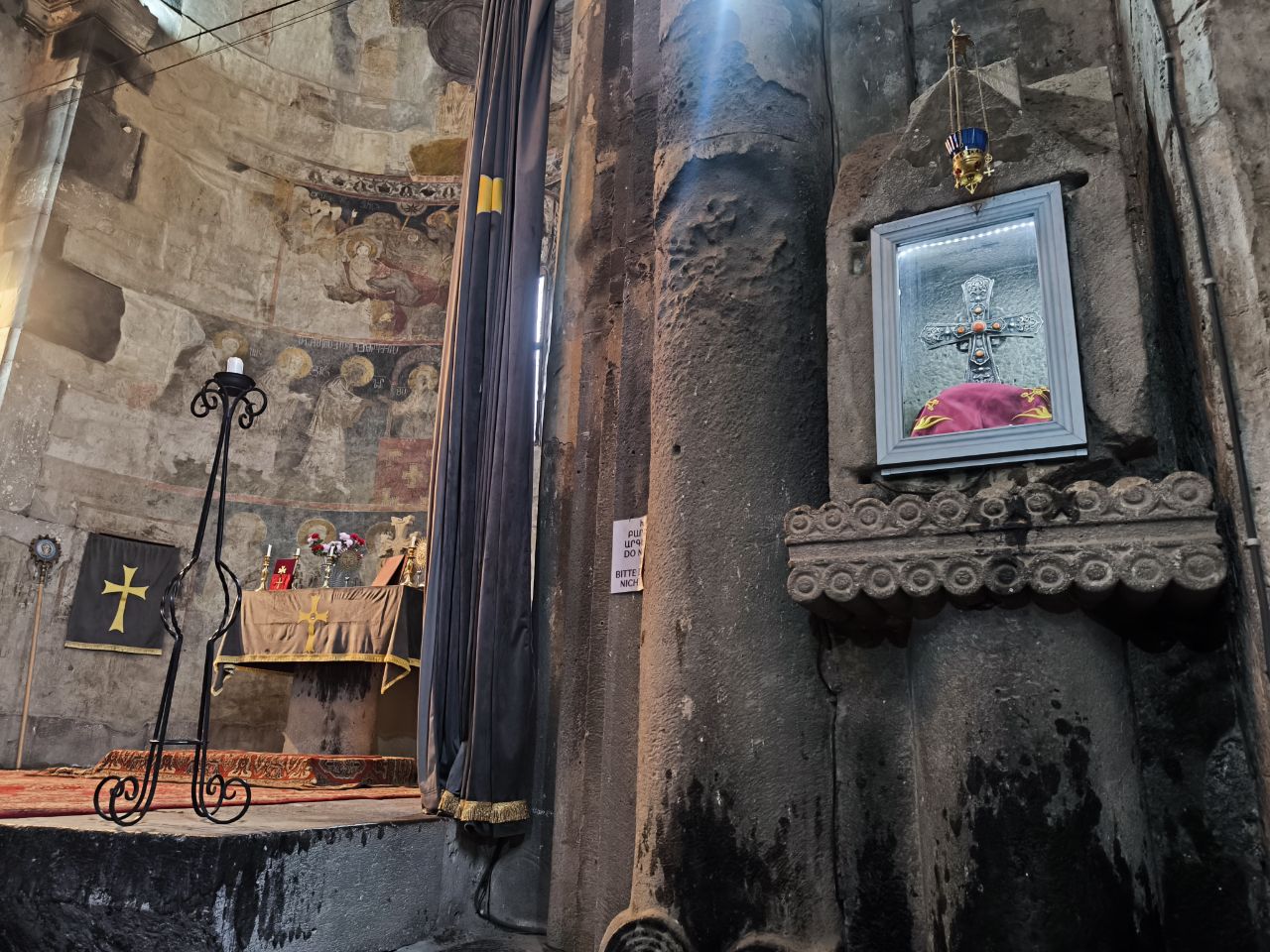
Since the founding of Haghpat Monastery, the relic of the True Cross of Jesus Christ has been kept in the Surb Nshan Church. In times of danger, it was occasionally moved to Kayanberd Fortress and kept in a small niche built into the right-hand wall next to the altar of Dsevank Church. This famous relic is known as the Surb Nshan of Haghpat and was brought to Armenia in the late 3rd century by Saint Hripsime. In the 10th century, Queen Khosrovanush of Bagratid Armenia donated it to the Haghpat Monastery. It is currently kept in the main church of Haghpat Monastery.
Excavations
In 2025, excavation work began at the fortress, after which the monument is planned to be restored. The excavations will reveal new information about this magnificent structure.
How to Reach
Dsevank Church and the fortress can be reached via the Kayanberd trail, walking approximately 1.5 km from the Jraghatsadzor bridge. Throughout history, soldiers defending the fort, pilgrims, religious figures, scholars, and princes have ascended this ancient path. Entry is free 24 hours a day. However, visitors should keep in mind that the edges of the fortress walls are difficult to see in the dark, and there is a deep abyss below.